For decades, dentists have been asking patients the same question at every checkup: “Do you floss daily?” Despite the advice, flossing remains one of the most skipped steps in oral hygiene.
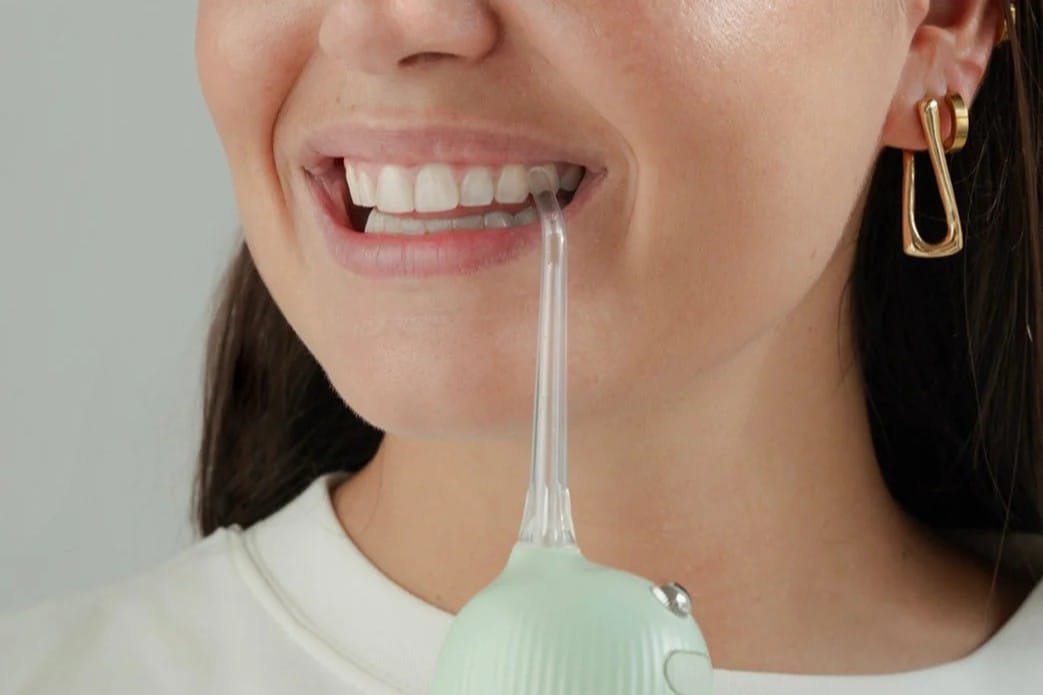
Enter the water flosser: a high-tech, jet-stream alternative that promises cleaner gums with less effort. But can it truly replace traditional flossing, or is it just a convenient supplement?
How Traditional Flossing Works
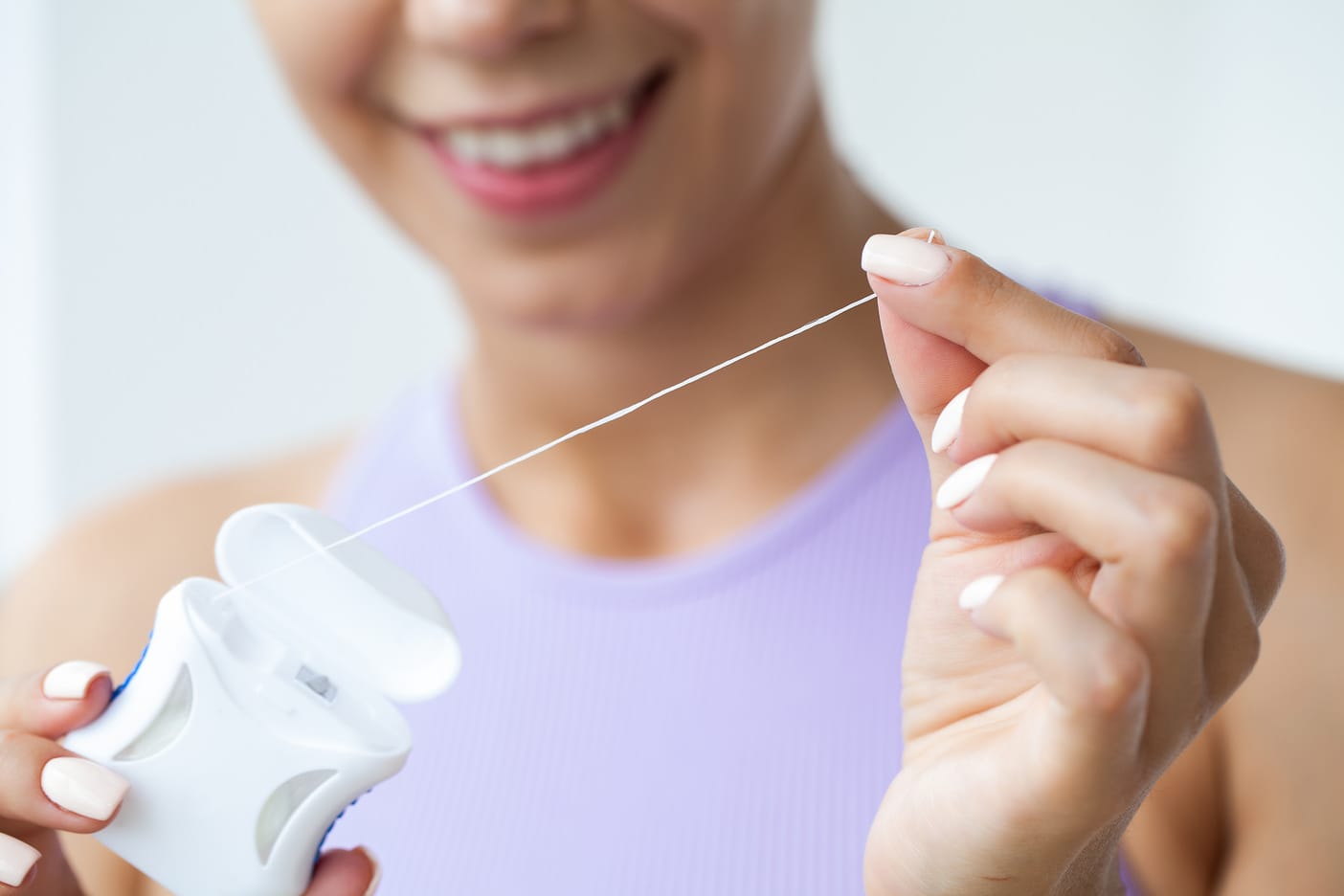
Traditional dental floss works through direct mechanical action. By sliding thin strands of floss between teeth, you remove plaque, food particles, and bacteria that brushing alone can’t reach. This interdental cleaning is crucial, as about 40% of tooth surfaces are missed by brushing alone. Studies show that consistent flossing can reduce gum bleeding, prevent gingivitis, and decrease the risk of cavities forming between teeth.
The downside? Technique matters. Improper flossing such as snapping, skipping areas, or using too much force can cause bleeding or damage to gums. Some people also struggle with dexterity, making flossing awkward, slow, or even painful. This is where alternatives like water flossers have gained attention.
How Water Flossers Work
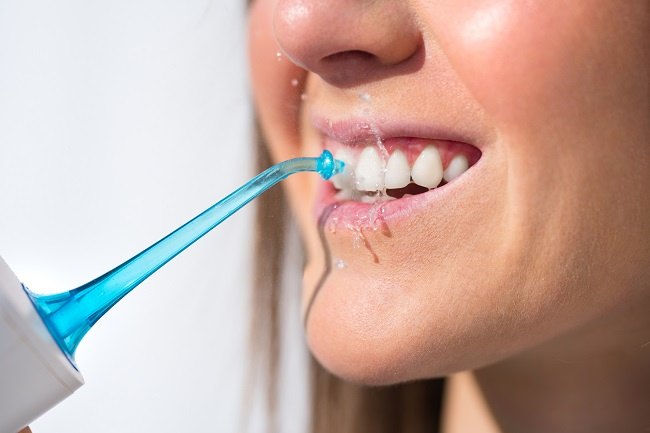
A water flosser, sometimes called an oral irrigator, uses a pressurized stream of water to clean between teeth and just below the gumline. The pulsating jet flushes out food debris and disrupts bacterial colonies, which helps reduce gum inflammation.
For people with braces, bridges, implants, or limited hand mobility, water flossers can be a game-changer. They’re easier to handle and generally less likely to cause gum injury.
Comparing Effectiveness of Water Flossers vs Traditional Floss
So how do water flossers stack up against traditional floss? Research shows that both methods are effective, but in slightly different ways. Traditional floss excels at scraping off sticky plaque, particularly in tight spaces between teeth. Water flossers, on the other hand, are particularly effective at flushing debris from areas that floss can’t reach, such as around braces, implants, or deep gum pockets.
A 2024 study comparing water jet flossing with traditional interdental flossing found that both methods significantly reduced plaque and gingival bleeding over a two-week period. The water jet group showed slightly higher improvements than the flossing group. Although the differences were not statistically significant, the results suggest that water flossers can be at least as effective as traditional floss in improving overall gum health, while also providing a slight edge in both plaque removal and bleeding reduction.
| Feature / Outcome | Traditional Floss | Water Flosser |
|---|---|---|
| Plaque Removal | Excellent at scraping plaque in tight spaces | Good, especially on surfaces reachable by water stream; may miss very sticky plaque |
| Gum Health / Bleeding | Reduces bleeding if used consistently | Superior at reducing gum bleeding and inflammation due to water pulsation |
| Ease of Use | Requires dexterity and proper technique | Easier for people with braces, implants, arthritis, or limited hand mobility |
| Accessibility in Hard-to-Reach Areas | Limited in deep pockets or around dental work | Highly effective around implants, bridges, braces, and deep pockets |
| Time Efficiency | Can be time-consuming if done thoroughly | Typically faster, especially for full-mouth coverage |
| Portability / Cost | Inexpensive, highly portable | Requires device and water supply; higher initial cost |
Advantages of Water Flossers
Water flossers are designed for convenience and being easy to use, making daily interdental cleaning simpler for many people. Key benefits include:
Great for kids and older people: Since it requires less manual dexterity, water flossers can be ideal for children, older adults, or people with arthritis.
Gentle on gums: Reduces risk of irritation or bleeding compared to aggressive flossing. It also helps reduce inflammation and maintain healthy gums over time.
Subgingival cleaning: The pulsating water stream reaches slightly below the gumline, flushing out bacteria and debris from periodontal pockets.
Accessibility around dental work: Effective for braces, implants, and bridges where traditional floss may be difficult to use.
Advantages of Traditional Flossing
Traditional floss remains unmatched in certain situations. Its thin, flexible design allows for precise cleaning between tight contacts where plaque hides.
Floss is also inexpensive, portable, and requires no electricity or water supply. For people without braces or dental hardware, floss can often achieve the most thorough removal of debris from hard-to-reach areas.
So Can Water Flossers Fully Replace Flossing?
Experts generally agree: it depends on your oral health needs. For people with braces, implants, or sensitive gums, water flossers can serve as a primary cleaning tool.
However, for optimal plaque removal in tight spaces, traditional flossing is still recommended. Many dentists suggest combining the two: use floss to mechanically scrape between teeth and a water flosser to flush away loosened debris and bacteria.
No matter which method you choose, proper technique and consistency are key. Brush twice daily with fluoride toothpaste, follow up with either flossing method, and schedule regular dental checkups. When using a water flosser, angle the tip along the gumline and move systematically from tooth to tooth. If using floss, gently curve it around each tooth and slide beneath the gumline.