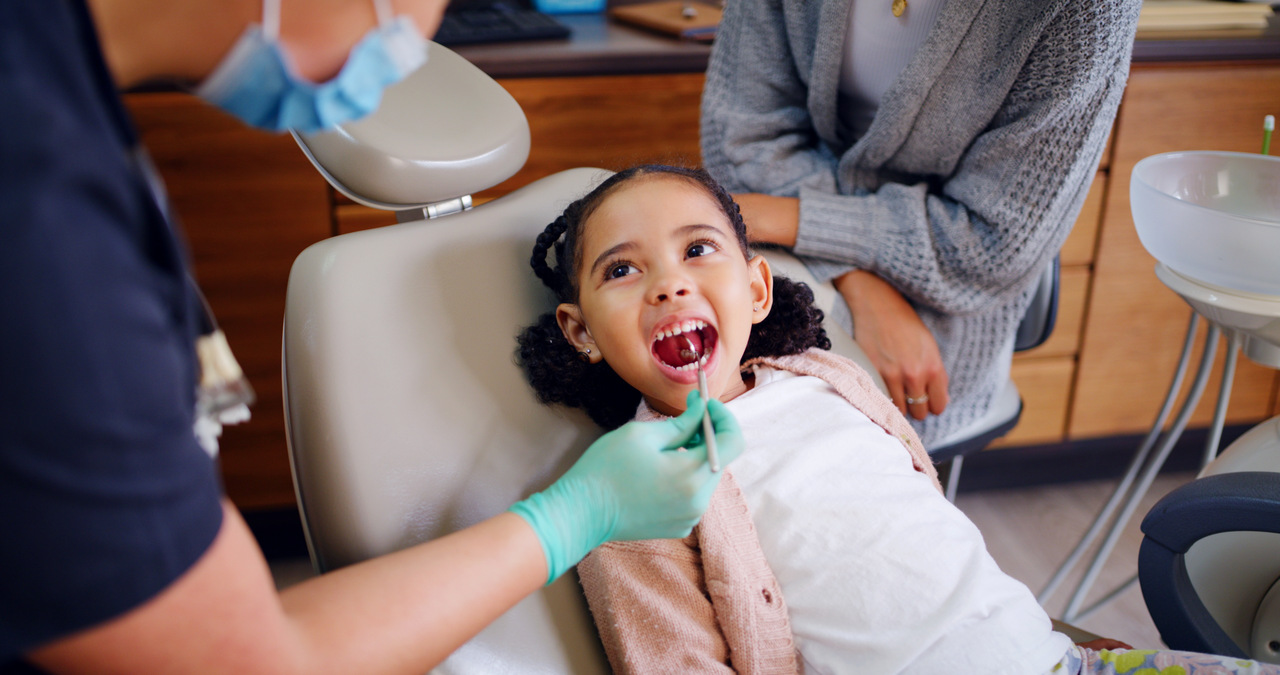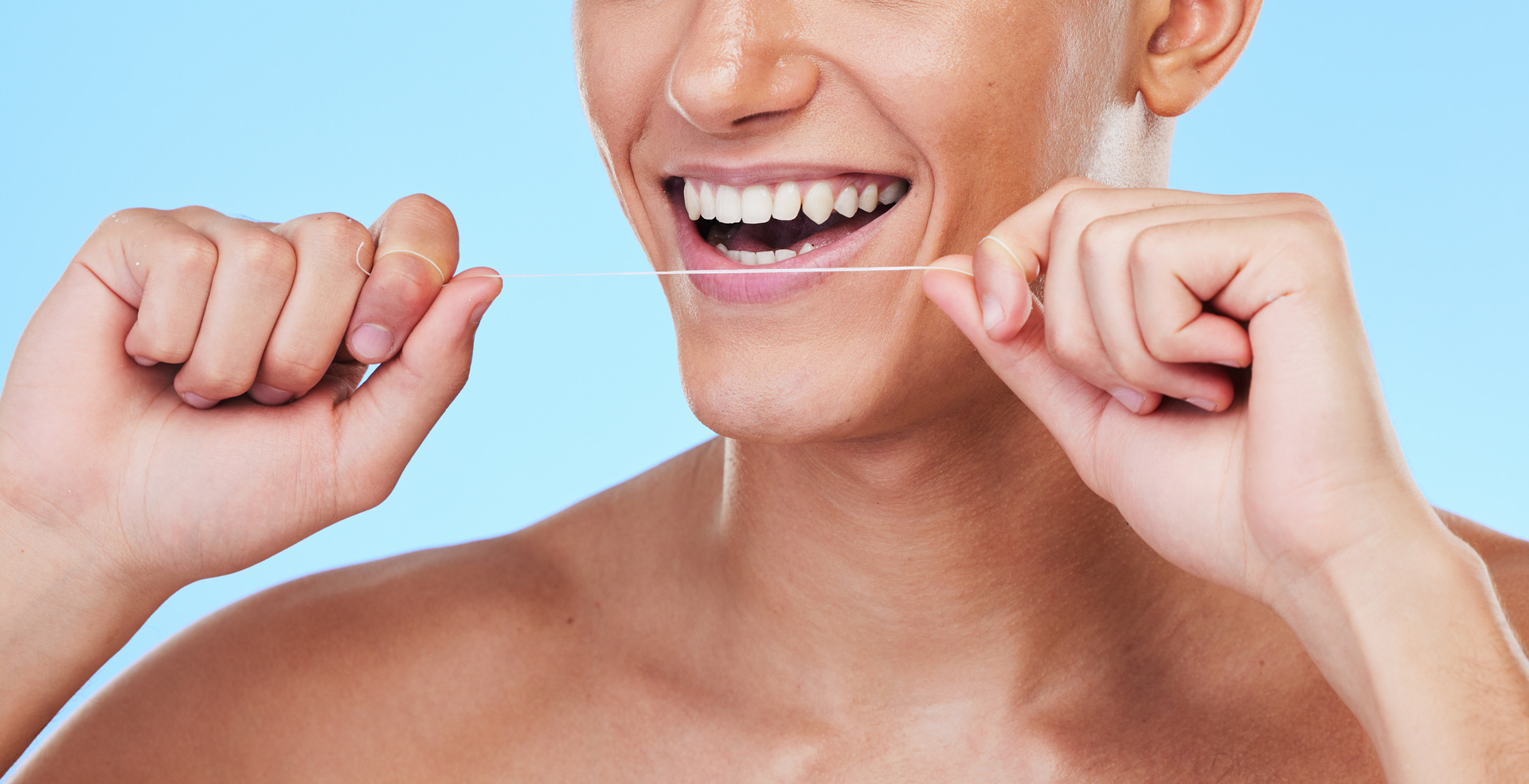
Should I floss my teeth first or brush first before flossing? It’s one of those questions that sounds almost too simple to ask. However, if you’ve ever wondered whether you’ve been doing your oral hygiene routine in the wrong order, you’re in good company. The floss-before-or-after debate is actually more common than you’d think, and the answer might actually change how you approach your daily routine. So let’s settle it once and for all.
Does the Order Actually Matter?
The short answer is: yes, it does. At least a little. Both flossing and brushing are indeed essential. Nobody seriously argues about that. The sequence in which you do them, however, can influence how effective your routine actually is. It is not a hard-and-fast rule, but more so making the most out of the two minutes you are already spending at the sink.
The Case for Flossing First
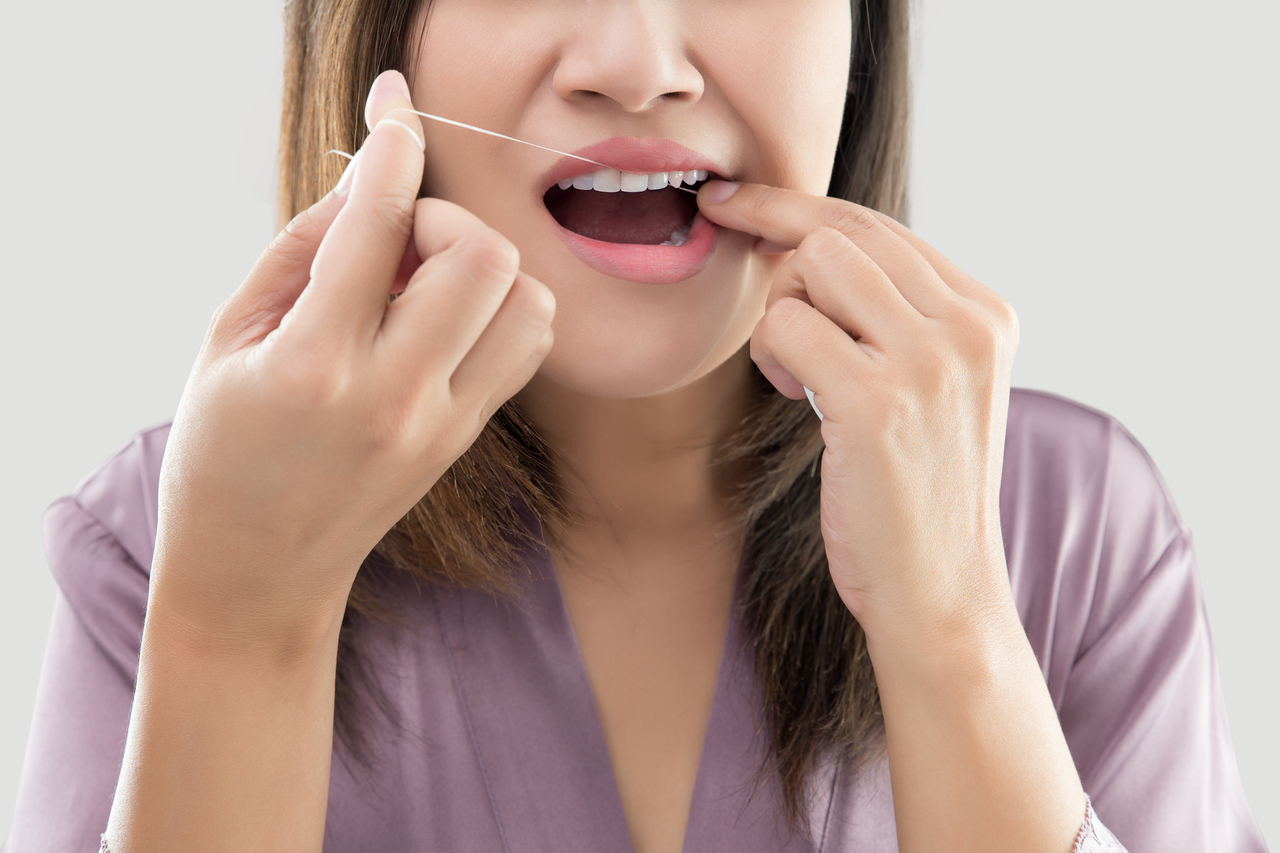
Most dentists recommend flossing before brushing, and the reason behind it is almost too sensible not to consider. When you floss first, you loosen and dislodge food particles and plaque from between your teeth and along the gumline. Brushing afterwards then sweeps all of that debris away, rather than leaving it sitting in your mouth. You also get the benefit of fluoride from your toothpaste reaching in between the teeth more effectively once the gaps have been cleared by flossing. In other words, flossing before brushing is like clearing the table before wiping it down. As flossing sets the stage, brushing then finishes the job.
Flossing first also means you’re less likely to skip it. Let’s be honest: if after brushing first you feel clean and minty fresh, motivation to then pick up the floss drops considerably. Getting it done upfront removes that temptation to call it a night early.
The Case for Brushing First
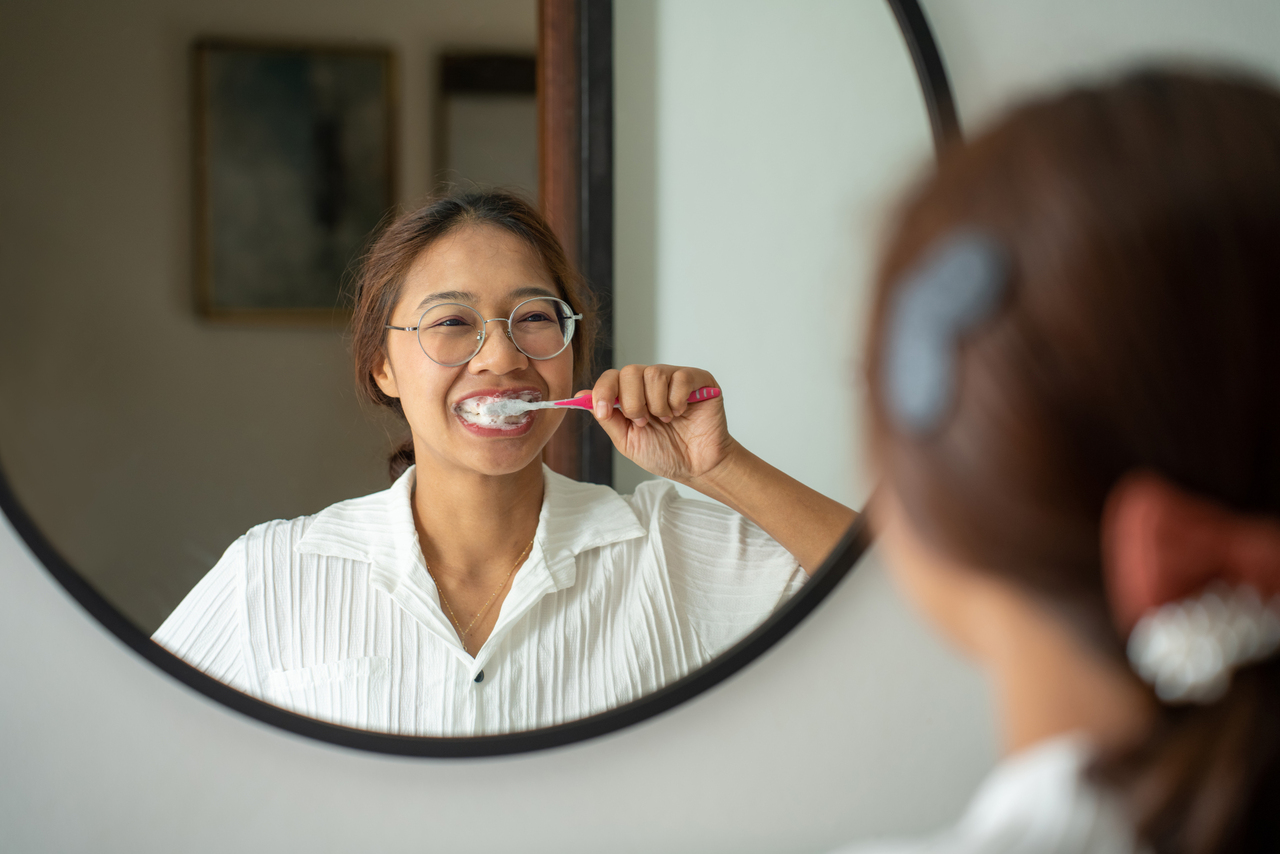
On the other side of the debate, some people argue that flossing after brushing works just fine. For most people, it’s simply the habit they’ve built over years. The logic here is that brushing first removes the bulk of surface plaque and food debris, and flossing afterwards handles the leftover material tucked between the teeth. In all honesty, flossing after brushing is still far better than not flossing at all. If this is the order that keeps you consistent, then it is not something that you should really worry about.
So What Do Dentists Actually Recommend?

The general professional consensus leans toward flossing before brushing. Clearing debris before brushing so fluoride can penetrate more effectively between teeth is a reasoning that makes practical sense and is backed by dental health guidance. With that said, most dental professionals would agree that the most important thing really is that you floss consistently, every day, regardless of when you do it in your routine. An imperfect habit done daily will always outperform a perfect technique done occasionally.
Other Habits That Affect Your Routine

While you’re thinking about optimising your oral hygiene routine, there are a few other habits worth considering alongside the floss-and-brush debate.
Rinse or Don't Rinse After Brushing?
Many dentists advise against rinsing your mouth with water immediately after brushing. Spitting out excess toothpaste but skipping the rinse allows the fluoride to stay on your teeth longer, giving it more time to work. It feels strange at first, but it’s worth trying.
When Should You Brush Your Teeth?
Brushing twice a day (once in the morning and once at night before bed) is the standard recommendation. Brushing before bed is particularly important because saliva production slows overnight, reducing your mouth’s natural ability to neutralise acids and wash away bacteria.
Does Mouthwash Fit in My Routine?
Mouthwash is a useful addition to a routine, but it works best as a supplement rather than a substitute for flossing or brushing. If you use a fluoride mouthwash, consider using it at a separate time of day — such as after lunch — rather than immediately after brushing, so you’re not washing away the fluoride from your toothpaste.
Building a Routine That Actually Sticks
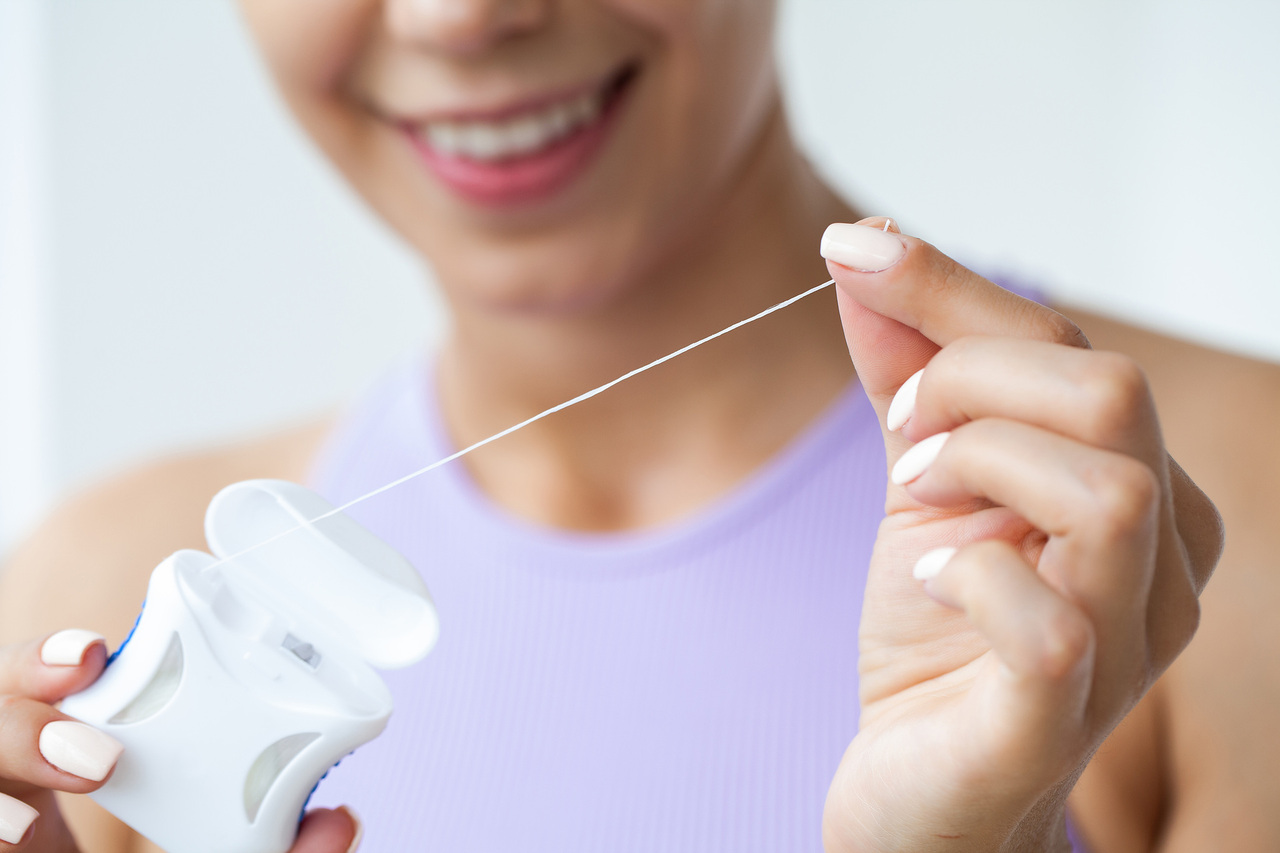
The best oral hygiene routine is one you’ll follow consistently. Here are a few simple ways to make it easier:
Pair It With An Existing Habit
Attach flossing to something you already do every night without thinking, such as washing your face or getting into bed. Habit-stacking makes new routines easier to maintain.
Keep Your Floss Visible
Out of sight really does mean out of mind. Leaving your floss on the counter next to your toothbrush is a small change that makes a noticeable difference.
Try Different Tools for Flossing
If string floss feels like a chore, experiment with floss picks, interdental brushes, or a water flosser. Finding a tool you actually enjoy using makes consistency much easier.
Set a Timer
Most people underestimate how long two minutes of brushing actually feels. A simple timer, or a two-minute song, ensures you’re brushing thoroughly rather than rushing through it.
So Which One Should I Do First, Really?
Floss before brushing if you want to get the most out of your routine. It clears the way for your toothpaste to do its job more effectively and removes the temptation to skip flossing after you’ve already brushed.
However, if flossing after brushing your teeth is what keeps you consistent, keep doing it. Consistency will always matter more than order. What matters most is that you’re doing both flossing and brushing every day without fail.
If you have questions about your oral hygiene routine or want personalised advice, the team at Klinik Pergigian Dens Care in Bandar Sri Permaisuri, Cheras is always happy to help. Sometimes a quick chat with your dentist is all it takes to make sure your daily habits are working as hard as they should be.