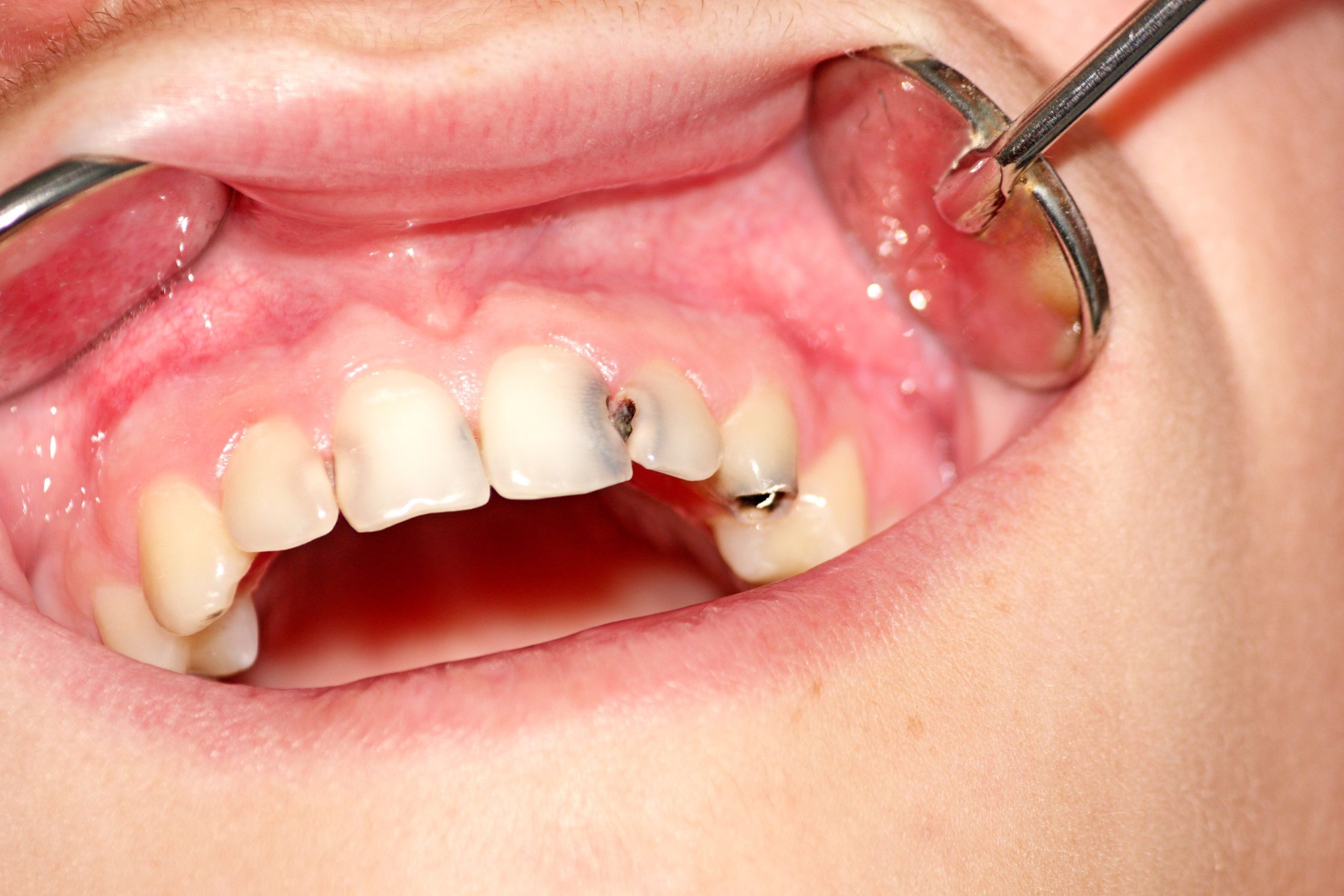
Maintaining oral hygiene with braces is critical. Braces create additional surfaces and tight spaces where food particles and plaque can accumulate. Flossing is a non-negotiable part of dental care during orthodontic treatment.
In this article, we’ll explain why flossing is essential, how to do it safely with braces, and the tools that can help make the process more effective.
Challenges of Flossing with Braces
Flossing around brackets, wires, and bands isn’t easy. Many people find traditional floss frustrating because it’s difficult to reach between teeth or slide the floss under wires without snagging.
If done incorrectly, flossing can tear, skip areas, or even damage the braces themselves. But skipping it entirely isn’t an option and the consequences of missed cleaning include:
- Plaque buildup in hard-to-reach spots
- Gum inflammation and bleeding
- Increased risk of cavities between teeth
- Potential for white spot lesions that mar your smile
Daily interdental cleaning is crucial during orthodontic treatment to maintain both oral health and the success of your braces.
Types of Flossing Tools for Braces
Flossing with braces can feel daunting, but several tools make it much more manageable. Each tool has unique features, and the right choice often depends on your comfort, the type of braces, and how thorough you want your cleaning to be.
Threader Floss

This is a standard dental floss with a stiffened end that can be threaded under the archwire. Once under the wire, you can clean along the sides of each tooth. It is inexpensive and widely available, but it requires patience and some dexterity to use correctly.
Superfloss
Superfloss is designed specifically for people with braces or bridges. It has three components: a stiffened end for threading under wires, a spongy section for wider gaps, and regular floss for tight contacts. This combination allows for more thorough cleaning than standard threader floss, especially around brackets and under wires.
Water Flossers
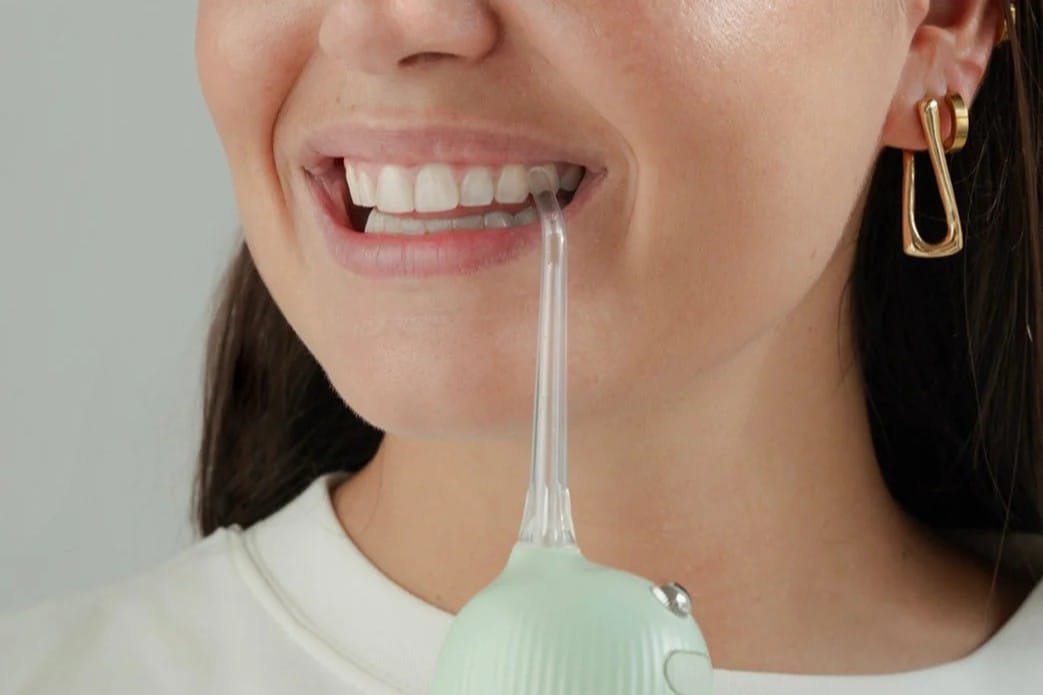
These devices use a pulsating stream of water to flush out food debris and plaque from between teeth and along the gumline. Water flossers are easier to use for people with limited manual dexterity, and studies have shown they can reduce gum bleeding and inflammation effectively. They are particularly useful for cleaning around braces, implants, or deep gum pockets.
Interdental Brushes
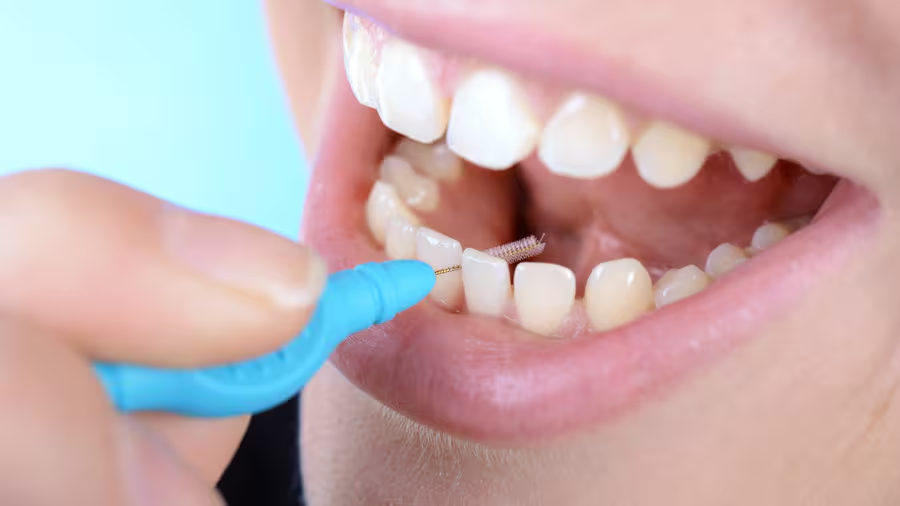
These are small, cone-shaped brushes that can slide between teeth and around brackets. They are highly effective for removing plaque from hard-to-reach areas and can be quicker to use than floss, though they may not reach very tight contacts as effectively as threader or Superfloss.
| Tool | Best For | Advantages | Limitations |
|---|---|---|---|
| Threader Floss | Standard braces | Inexpensive, widely available | Requires dexterity, time-consuming |
| Superfloss | Braces, bridges, wide gaps | Thorough cleaning, versatile for different gaps | Takes practice, slightly bulkier |
| Water Flosser | All braces, implants, deep pockets | Easy to use, gentle on gums, reduces bleeding | Requires device, electricity, and water |
| Interdental Brush | Wide gaps, brackets, quick cleaning | Fast, effective at removing plaque | May not reach very tight spaces, needs multiple sizes for different gaps |
Step-by-Step Flossing Technique with Braces
Flossing with braces may seem complicated at first, but breaking it down into a clear, methodical routine can make it manageable and effective. Proper technique is key to protecting your teeth, gums, and orthodontic hardware.
1. Thread the Floss
Start by using a floss threader or Superfloss. The stiffened end helps you guide the floss safely under the archwire without snagging. Gently pull the floss through until it’s long enough to wrap around your fingers, giving you control on both sides. This step ensures you can reach all surfaces of each tooth, even those that are hidden behind brackets and wires.
2. Clean Each Tooth
Once the floss is under the wire, slide it carefully along the side of each tooth. Move the floss in a gentle up-and-down or C-shaped motion, hugging the tooth surface and reaching just under the gumline. This action removes trapped food and plaque, which can cause inflammation or cavities if left unchecked. Be sure to clean both the front and back sides of each tooth.
3. Move Systematically
Work one tooth at a time, following the same process across all your teeth. Start from either the upper or lower arch, moving from left to right (or vice versa), so you don’t miss any areas. Systematic movement helps ensure that no teeth are skipped, which is crucial since even one untreated spot can lead to gum irritation or plaque buildup.
Note: Never force floss between teeth or pull sharply, as this can damage brackets, bend wires, or cut your gums. If the floss catches, gently wiggle it until it slides through.
For optimal results, floss at least once per day, ideally at night after brushing. This ensures that food particles and plaque collected throughout the day are removed, reducing the risk of cavities and gum disease. Some orthodontists recommend using flossers or interdental brushes during the day as supplemental cleaning, especially after meals.
When to Seek Professional Advice from a Dentist
Consult your orthodontist or dentist if you notice:
- Persistent gum inflammation or bleeding
- Plaque buildup despite regular flossing
- Discomfort or damage to your braces from flossing
Regular checkups are crucial. Your dentist or orthodontist can recommend the best tools and techniques for your unique needs, ensuring your braces treatment goes smoothly.
Flossing is Essential When You Have Braces
Flossing with braces may feel tricky at first, but it’s essential for maintaining healthy teeth and gums, preventing complications, and protecting your investment in your smile. With the right tools, technique, and consistency, flossing becomes manageable and the benefits are worth the effort.
Whether you use threaders, Superfloss, water flossers, or interdental brushes, daily interdental cleaning is a habit that will pay off long after your braces come off.